|
$$PLAIN_TEXT_PREVIEW$$
|
In this issue: As essential federal programs are cut and inequality grows, giving strategically and boldly can help sustain what matters most.
|
Hello Friends — Oh, these are hard, disorienting times in America! Not long ago, it felt — perhaps naively — like there was real collective momentum around climate progress, racial justice, and community resilience. Congress passed groundbreaking climate legislation, corporations declared “Black Lives Matter!”, and for a brief moment, the country’s enormous wealth gap was actually shrinking. Now the tides have turned. Polarization is deepening, and our shared commitment to democracy feels fragile. The Trump administration is dismantling the social safety net — slashing education, housing, humanitarian aid, environmental protection, and climate programs, while threatening the safety and rights of immigrants, people of color, and truly, all of us. That reality is heartbreaking. But it also clarifies the questions before us: What can we do? Who do we want to be in this moment? As stewards of capital, we know that how we direct our dollars now can be powerful. We are more determined than ever to use that power — to sustain a safe, just, and thriving world. And even in the midst of these challenges, we remain optimistic: about this country, about the strength of democracy, and about the capacity of people to rise. The work ahead will test us. But we believe the movement for justice, equity, and sustainability is rising. Our work as investors continues: directing capital toward climate solutions, racial justice, and community resilience. But investing isn’t the whole story. Giving — charitable, direct, personal — is another way to resist. It can fill critical gaps, offer solidarity, and sustain hope when the social safety net is being deliberately dismantled. We don’t want to press too hard — giving is always personal. But if you’ve benefited from recent market gains, this may be a powerful time to give strategically, boldly, and perhaps earlier than usual this year. Capital alone cannot solve these challenges. But it can be a tool for resilience and resistance. And in this moment, it matters deeply how we use it — through both investments and giving. With determination and hope, Lisa & The Figure 8 Team
|
Sustaining What We Hold DearThe Trump administration’s cuts to education, housing, humanitarian aid, climate programs, and civil rights protections have created urgent gaps that nonprofits are scrambling to fill. While individual and private giving can’t replace federal support, it can: Keep frontline organizations on offense. Provide solidarity to communities carrying the heaviest burdens. Sustain hope for the long path ahead.
With markets up sharply this year, many investors find themselves in a stronger position to give. If you have appreciated securities (e.g., stock that’s gone up since. you’ve bought it), donating to any 501c(3) with stock rather than cash can offer important tax benefits. And, if you’re over the age 70½ and have a retirement account, making a Qualified Charitable Distribution is another particularly tax-efficient way to give. (Note: Our team’s here to help clients navigate the logistics of giving wherever’s that’s useful. ) Where to Give NowThere are countless organizations doing critical work. If you’ve supported nonprofits over time, your continued support is likely more essential than ever. While many people make charitable gifts at the end of the year, this year is different — giving earlier, and perhaps giving more, can help organizations weather immediate funding gaps and sustain urgent programs. Here are some especially high-need areas — along with impactful organizations to consider supporting now:
|
|
|
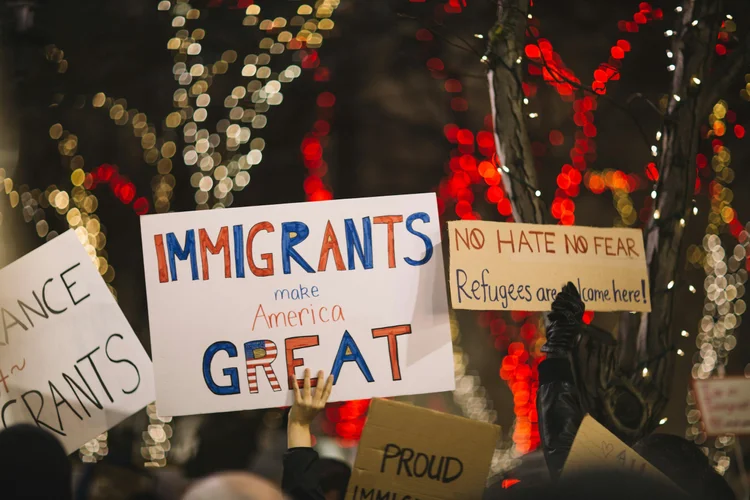
1. Provide Safety and Justice for Immigrants.Immigrants, asylum seekers, and refugees are facing escalating detentions, family separations, and restrictions on legal protections. Organizations like the Immigrant Defense Project, ACLU, and RAICES provide critical legal services, reunite families, locate the disappeared, and defend human rights on the ground.the National Day Laborers Organization is on the frontlines monitoring ICE movements in Los Angeles. |
|
|
|
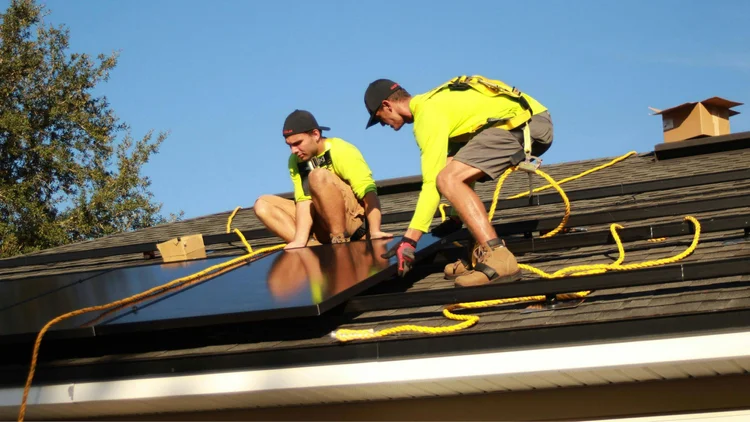
2. Sustain Climate and Environmental Justice.The $27 billion Greenhouse Gas Reduction Fund, created under the Inflation Reduction Act, was designed to mobilize clean energy and community development across low-income and historically disadvantaged areas nationwide. Now, the Trump administration’s EPA has announced plans to terminate and claw back nearly all of these funds. Leading climate and community groups have launched legal challenges, but these cases are likely to be tied up in litigation for years. Meantime, funds remain frozen, and many urgently needed projects are stalled. That hasn’t stopped the need — or the passion and commitment of the groups on the ground. Organizations like the Justice Climate Fund, GRID Alternatives, and Rewiring America are continuing to drive critical, community-based clean energy and resilience work despite these obstacles. |
|
|
|
3. Protect Public Media.Federal funding for public media is being eliminated under the Trump administration, meaning that some of the nation’s most trusted sources of independent news and educational programming are now at significant risk. Local stations are especially vulnerable, as many rely on federal grants for half or more of their operating budgets. Supporting NPR, PBS, and/or your local affiliates helps ensure that high-quality, independent journalism and educational content remain accessible to everyone. For Idaho residents: cash gifts (not stock) to specific education-related nonprofits, including Idaho Public Television, can qualify for a generous Idaho state tax credit. You can learn more about the tax credit here. |
|
|
|
4. Mobilize Humanitarian Aid.Cuts to US AID, World Health Organization funding, and other humanitarian assistance programs have placed enormous pressure on non-governmental organizations working to deliver food, clean water, medical care, and emergency relief — both in the U.S. and worldwide. Groups like World Central Kitchen, Doctors Without Borders, and Oxfam are navigating shrinking resources while responding to intensifying crises, including catastrophic displacement and famine in Gaza. |
|
|
|
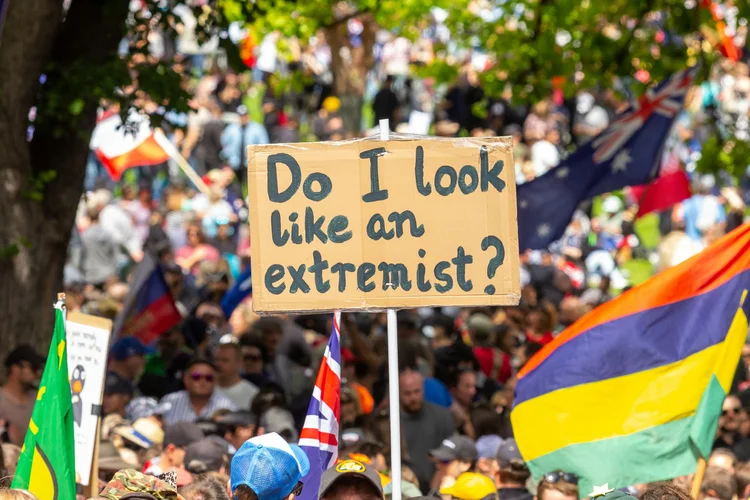
5. Resist Hate. Cuts to federal programs supporting civil rights and combating extremism have increased pressure on organizations working to advance racial justice and protect vulnerable communities. Groups like the Southern Poverty Law Center and the Equal Justice Initiative are on the frontlines — tracking hate groups, challenging systemic racism, and working to end mass incarceration. As demand for their work grows, private giving is essential to sustain their efforts and strengthen protections for those most at risk. |
|
SO, WHERE TO GIVE NOW?We’ve shared some of our thoughts and ideas, but the most powerful giving may be right where you are — helping to fill the emerging gaps in your own community. That could mean supporting your local foodbank, school foundation, community radio station, conservation group, housing agency, or medical clinic. Here’s a recap of the organizations we’ve highlighted in this issue: Immigrant Justice: Immigrant Defense Project, ACLU, RAICES, National Day Laborers Organizing Network Climate & Environmental Justice: Justice Climate Fund, GRID Alternatives, Rewiring America Public Media: NPR, PBS, and local affiliates Humanitarian Aid: World Central Kitchen, Doctors Without Borders, Oxfam Civil Rights & Combating Hate: Southern Poverty Law Center, Equal Justice Initiative
Wherever you choose to give, know this: your generosity matters — perhaps more now than ever.
|
Some Things We’re Reading & WatchingAfter writing her Pulitzer Prize-winning book “Demon Copperhead”, author Barbara Kingsolver found an especially personal - and inspiring - way to share her time and resources. In her home region of Lee County, Virginia, she opened the Higher Ground community rehabilitation center for women seeking long-term recovery from addiction. You can read more about it in The Guardian here.
Mon Rovîa, a folk singer born in Liberia, was adopted at age 7 during the country’s civil war, by a Christian missionary family in Tennessee. His music is influenced by Appalachian traditions, his West African roots, and his own profound life experience. His song Heavy Foot tells the story of these times. In addition to slashing federal funding, the Trump administration has sharply exacerbated threats to social justice through a surge in immigrant arrests, detentions, and aggressive policing. Within this landscape, one of the critical issues we’re tackling is how corporations are complicit in the private prison and detention system. Morningstar recently examined these challenges in a piece (which quotes us) that you can read here.
|
|
You should always consult a financial, tax, or legal professional familiar with your unique circumstances before making any financial decisions. This material is intended for educational purposes only. Nothing in this material constitutes a solicitation for the sale or purchase of any securities.
|
|
|
|